

Team Building for Corporate Companies to Improve Collaboration and Productivity
Modern organizations rely on collaboration, trust, and clear communication to achieve consistent results. Yet many teams struggle with misalignment, workplace silos, and declining engagement. Team Building for corporate companies focuses on strengthening relationships, improving communication, and helping employees work together with clarity, confidence, and shared purpose.
Trusted by Industry Leaders Globally







Why Team Building Matters in Modern Corporate Environments
In competitive business environments, organizations often focus heavily on targets, productivity, and performance metrics. While these are important, long-term success also depends on how effectively people collaborate with one another. Strong teams drive innovation, support leadership decisions, and maintain a positive workplace culture.
However, when teams operate without strong interpersonal connections, several challenges can emerge:
- Miscommunication between departments
- Reduced collaboration on projects
- Workplace conflicts and misunderstandings
- Low employee engagement and morale
- Difficulty adapting to organizational change
Structured Team Building for corporate helps organizations address these challenges in a practical and meaningful way.
The Role of Leadership in Team Development
Leadership plays a crucial role in shaping how teams communicate, collaborate, and solve problems. When leaders actively support Team Building for corporate companies, they create an environment where employees feel encouraged to contribute ideas and work together effectively.
How Leadership Supports Team Building
Setting Clear Expectations
Leaders help employees understand team goals and responsibilities.
Encouraging Collaboration
Managers promote cooperation across departments and teams.
Providing Constructive Feedback
Guidance and feedback help teams improve performance.
Recognizing Team Contributions
Acknowledging success strengthens morale and motivation.
Leaders who promote transparency, open communication, and shared accountability help teams perform at higher levels.
Common Workplace Challenges That Impact Team Performance
Identifying these issues is the first step toward improving collaboration and strengthening workplace relationships.
Communication Gaps
Unclear communication often leads to misunderstandings, delays, and mistakes that affect productivity and teamwork.
Lack of Trust Between Teams
When trust is missing, employees hesitate to share ideas or collaborate, limiting innovation and slowing progress.
Low Engagement and Motivation
Disconnected teams often struggle with motivation, which impacts performance and workplace morale.
Siloed Departments
When departments work in isolation, knowledge sharing and cooperation become difficult.
Effective Team Building for corporate companies helps address these challenges by encouraging communication, trust, and collaboration.
Strengthening Workplace Communication Through Corporate Training
Strong communication is the foundation of high-performing teams. When employees understand each other’s perspectives and communicate clearly, they solve problems faster and collaborate more effectively.
Gaston D’Souza Inc. recognizes the importance of communication skills in shaping productive teams through structured training and interactive learning.
How Communication-Focused Training Improves Teams
Improved Workplace Dialogue
Employees learn to express ideas clearly and listen actively during discussions.
Reduced Workplace Conflict
Respectful communication helps resolve disagreements before they escalate.
Stronger Collaboration
Open conversations encourage teamwork and shared problem-solving.
Greater Transparency
Clear communication builds trust and strengthens relationships across teams.
Developing Problem-Solving Skills Through Team Activities
Organizations often face complex challenges that require collaboration and quick decision-making. Structured activities within Team Building for corporate help employees develop stronger problem-solving skills by encouraging teamwork and creative thinking.
How Team Activities Improve Problem Solving
Encouraging Diverse Perspectives
Team members share different viewpoints to find better solutions.
Promoting Analytical Thinking
Exercises require participants to analyze situations and make informed decisions.
Building Confidence in Decision-Making
Employees become more comfortable contributing ideas.
Strengthening Collective Responsibility
Teams learn to work together to overcome challenges.
These activities help employees develop confidence while improving their ability to collaborate effectively.
Practical Team Building Approaches That Deliver Results
Team-building programs are most effective when they focus on real workplace outcomes rather than generic activities. Structured learning combined with interactive experiences helps employees collaborate better and strengthen professional relationships.
Effective Team Building for corporate companies uses practical exercises that encourage teamwork, communication, and problem-solving.
Key Elements of Effective Team Building Programs
Interactive Learning Activities
Employees participate in exercises that develop communication and collaboration skills.
Group Challenges
Teams solve tasks together, building trust and collective decision-making.
Role-Based Scenarios
Simulated situations help employees understand different perspectives.
Reflection and Discussion
Participants review key lessons and apply them to everyday workplace interactions.
Building Trust and Workplace Relationships
Without trust, teams may hesitate to share ideas or seek feedback. Strategic Team Building for corporate encourages transparency, interaction, and shared experiences that strengthen professional relationships.
Ways Team Building Strengthens Trust
Encouraging Open Communication
Employees learn to express ideas openly and listen respectfully.
Developing Mutual Respect
Activities help team members appreciate each other’s strengths and contributions.
Strengthening Interpersonal Connections
Shared experiences build stronger relationships beyond daily tasks.
Creating a Culture of Support
Trust encourages collaboration, knowledge sharing, and teamwork.
Trust-building initiatives contribute significantly to a workplace culture where employees feel valued and supported.
Improving Employee Engagement and Motivation
Employee engagement is closely connected to team dynamics. When employees feel valued and connected to their colleagues, they become more motivated and productive. Effective Team Building for corporate companies strengthens relationships, encourages participation, and helps employees feel more involved in achieving organizational goals.
Benefits of Engaged Teams
Higher Employee Satisfaction
Employees who feel connected to their teams are more committed to their work.
Improved Productivity
Strong collaboration allows teams to work more efficiently.
Enhanced Creativity
Open communication encourages new ideas and innovation.
Reduced Workplace Stress
Supportive teams help employees manage challenges and maintain a positive work environment.
Enhancing Workplace Culture Through Team Building
A positive workplace culture encourages employees to collaborate, support one another, and remain committed to shared goals. Team Building for corporate helps organizations strengthen workplace culture by creating meaningful interactions among employees.
How Team Building Improves Workplace Culture
Encouraging Open Communication
Employees feel comfortable sharing ideas and feedback.
Building Stronger Relationships
Colleagues develop deeper professional connections.
Promoting Inclusivity
Team-building activities create an environment where everyone feels valued.
Strengthening Organizational Identity
Employees develop a stronger sense of belonging and purpose.
A healthy workplace culture helps organizations maintain higher levels of engagement and productivity.
Aligning Teams with Organizational Goals
For teams to perform effectively, employees must understand how their roles contribute to broader organizational objectives. Strategic Team Building for corporate helps employees connect their individual responsibilities with shared goals.
How Team Building Supports Organizational Alignment
Training sessions help employees gain clarity about priorities, expectations, and collaboration.
Clarifying Team Roles
Employees better understand their responsibilities and contributions to team outcomes.
Encouraging Shared Accountability
Teams learn to take ownership of goals and support one another.
Strengthening Leadership Communication
Managers develop better strategies to guide teams.
Enhancing Strategic Thinking
Employees see how their work supports larger business objectives.
When teams understand the purpose behind their work, they are more likely to remain motivated and committed to achieving results.
Improving Cross-Department Collaboration
In many organizations, departments operate independently, which can limit communication and slow progress. Strategic Team Building for corporate helps break down these barriers and encourages collaboration across departments.
How Team Building Encourages Collaboration
Creating Shared Experiences
Employees from different departments participate in activities together.
Improving Interdepartmental Communication
Teams learn how to share information effectively.
Encouraging Knowledge Sharing
Employees exchange insights and expertise.
Strengthening Organizational Unity
Departments begin working toward common goals rather than isolated tasks.
Improved collaboration helps organizations operate more efficiently and adapt quickly to new challenges.
Creating Long-Term Impact Through Team Development
Programs designed for Team Building for corporate aim to create lasting behavioral changes that improve workplace collaboration over time.
Strategies for Sustaining Strong Team Dynamics
Organizations can reinforce team-building outcomes by integrating lessons learned during training into daily work practices.
Encouraging Continuous Learning
Workshops and discussions help teams keep developing communication and collaboration skills.
Supporting Leadership Involvement
Managers reinforce positive team behaviors and encourage open communication.
Promoting Feedback Culture
Constructive feedback improves performance and strengthens professional relationships.
Celebrating Team Achievements
Recognizing accomplishments reinforces collaboration and motivates teams to stay connected.
Consistent reinforcement helps team-building initiatives improve workplace culture and team performance.
Why Organizations Invest in Team Development Programs
Forward-thinking companies understand that strong teams drive long-term business success. Investing in Team Building for corporate companies allows organizations to strengthen communication, improve collaboration, and build a more engaged workforce.
Key Benefits for Organizations
Stronger Workplace Relationships
Employees develop trust and respect for one another.
Improved Productivity
Teams that collaborate effectively complete tasks more efficiently.
Greater Innovation
Open communication encourages creative thinking and new ideas.
Better Employee Retention
Supportive team environments help employees feel valued and committed.
Organizations that prioritize team development create workplaces where employees can grow and perform at their best.
Building Stronger Teams for Organizational Success
Strong teams form the backbone of successful organizations. When employees communicate effectively, trust one another, and collaborate toward shared goals, the entire workplace becomes more productive and resilient.
Thoughtfully designed Team Building for corporate companies helps organizations strengthen relationships, enhance communication, and develop teams that perform with confidence and clarity.
By investing in structured team development, organizations can create a workplace culture where employees feel motivated, connected, and ready to tackle new challenges together.
Our Clients Talk About Us
Success Stories That Inspire Confidence
Achieving Beyond Expectations
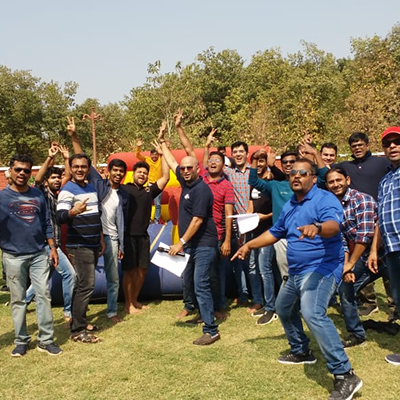
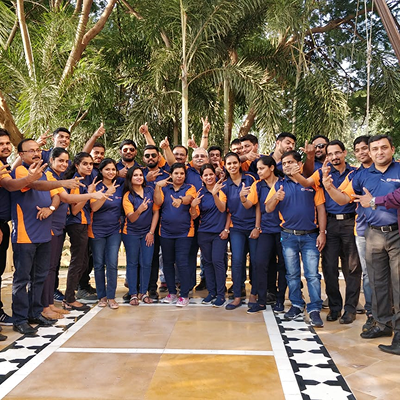
Our tailored corporate training led to a 35% increase in team collaboration efficiencies. Discover more by exploring our detailed case studies.


Frequently Asked Questions
1. What is team building for corporate?
Team building for corporate companies involves structured activities and training programs designed to improve communication, collaboration, and trust among employees. These initiatives help teams work more effectively toward shared organizational goals.
2. Why is team building important in corporate organizations?
Team building strengthens relationships between employees, improves communication, and encourages collaboration. Strong teams help organizations increase productivity, reduce workplace conflicts, and create a positive work environment.
3. How do team-building activities improve communication?
Team-building activities encourage employees to share ideas, listen actively, and work together on challenges. This helps develop clearer communication and reduces misunderstandings in the workplace.
4. Can team building improve employee engagement?
Yes, effective team-building programs help employees feel more connected to their colleagues and workplace goals. This sense of connection increases motivation, engagement, and overall job satisfaction.
5. How does team building help reduce workplace conflicts?
Team-building initiatives teach employees how to communicate respectfully and resolve disagreements constructively. This improves understanding between team members and reduces unnecessary conflicts.
6. What role does leadership play in team building?
Leaders play a key role by encouraging collaboration, setting clear expectations, and supporting team development initiatives. Strong leadership ensures that team-building efforts have a lasting impact.
7. How can team building strengthen workplace relationships?
Team-building activities allow employees to interact in meaningful ways, helping them understand each other’s strengths and perspectives. This builds trust and improves professional relationships.
8. Does team building improve workplace productivity?
Yes, teams that communicate effectively and collaborate well often complete tasks more efficiently. Improved teamwork leads to better decision-making and higher productivity.
9. How does team building support organizational goals?
Team-building programs help employees understand how their individual roles contribute to broader business objectives. This alignment encourages accountability and stronger team performance.
10. How often should companies conduct team-building programs?
Organizations benefit from regular team-building sessions throughout the year. Consistent initiatives help reinforce communication, collaboration, and positive team dynamics.