

Team Building Activities to Improve Collaboration and Team Performance
Modern organizations depend on strong collaboration, trust, and open communication to achieve consistent performance. When teams work well together, productivity improves, ideas flow more freely, and employees feel more engaged in their roles. Effective Team Building Activities help organizations strengthen relationships, improve workplace communication, and create a culture where employees work together with confidence and clarity.
Trusted by Leading Companies in Team Empowerment







Overcoming Challenges in Team Building Activities
Many organizations struggle with teams that are technically capable but disconnected from each other. Departments may operate independently, communication may become fragmented, and employees may hesitate to share ideas or feedback.
Well-designed Team Building Activities address these issues by helping individuals understand each other’s strengths, communication styles, and working approaches.
Common workplace challenges teams face
- Limited collaboration between departments
- Communication gaps that lead to misunderstandings
- Lack of trust among team members
- Reduced engagement in daily work
- Difficulty adapting to organizational change
By addressing these challenges directly, organizations create an environment where employees work together more effectively.
Why Organizations Invest in Team Building
Companies today operate in fast-paced, competitive environments where teamwork is essential for success. While technical skills remain important, organizations increasingly recognize that strong collaboration is what drives sustainable results.
Team Building Activities create opportunities for employees to step away from routine work pressures and connect with colleagues in a meaningful way.
Benefits organizations experience
- Stronger communication between employees
- Improved collaboration across teams
- Higher levels of trust and mutual respect
- Greater engagement and motivation
- Increased workplace creativity and innovation
These outcomes help organizations build stronger teams capable of achieving long-term business objectives.
Improving Employee Engagement Through Team Experiences
Employee engagement improves when individuals feel connected to their colleagues and workplace goals. Structured Team Building Activities create opportunities for employees to step away from daily routines and interact in meaningful ways. These experiences help teams develop stronger relationships and a sense of shared responsibility.
Organizations often notice improved motivation when employees participate in collaborative learning environments.
Key engagement outcomes include:
- Stronger connections between colleagues
- Increased participation in team discussions
- Higher motivation and morale
- Greater sense of belonging at work
- Improved willingness to contribute ideas
Engaged employees are more likely to support organizational goals and collaborate effectively.
Gaston D’Souza’s Approach to Building Stronger Teams
Effective team development requires more than fun exercises or one-time activities. Gaston D’Souza designs interactive learning experiences that combine psychology, leadership development, and practical workplace scenarios.
These programs focus on strengthening collaboration, improving workplace relationships, and encouraging employees to communicate openly.
Key elements of the training approach
- Practical learning through real workplace scenarios
- Interactive exercises that encourage participation
- Reflection and discussion to reinforce insights
- Activities designed to strengthen trust and collaboration
- Tools employees can apply immediately at work
This approach ensures the learning experience remains engaging and relevant to everyday workplace challenges.
Types of Team Building Activities Used in Corporate Training
Organizations use different formats to help employees collaborate, communicate, and build stronger workplace relationships. Well-designed Team Building Activities encourage participation while helping teams understand each other’s strengths and working styles.
Collaborative problem-solving activities
These exercises challenge teams to solve tasks within a time limit. Key benefits include:
- Encouraging teamwork under pressure
- Strengthening problem-solving skills
- Improving group decision-making
Communication-focused exercises
These activities help teams improve how they share ideas. They focus on:
- Active listening
- Clear communication
- Constructive feedback
Trust-building experiences
These exercises strengthen workplace relationships by promoting openness and mutual respect.
Outdoor and Experiential Learning Activities
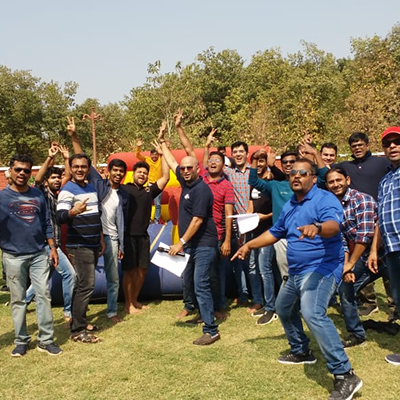
Experiential learning allows employees to develop teamwork skills in dynamic environments. Outdoor programs often encourage participants to solve challenges together while developing trust and communication.
These Team Building Activities push participants slightly outside their comfort zones, encouraging collaboration and creative thinking.
Common experiential activities include:
- Group challenges that require strategic thinking
- Problem-solving tasks completed in teams
- Leadership exercises during outdoor activities
- Trust-based collaborative challenges
- Reflection sessions to discuss lessons learned
Experiential learning often creates memorable experiences that reinforce teamwork principles.
How Team Building Activities Improve Workplace Culture
Workplace culture shapes how employees interact, solve problems, and approach their responsibilities. When organizations invest in team development, they also strengthen their overall culture.
Team Building Activities help employees understand the importance of collaboration and shared accountability. As employees participate in guided exercises, they begin to recognize how their individual behavior affects the entire team.
Cultural improvements organizations often notice
- Employees communicate more openly
- Departments collaborate more effectively
- Team members support each other’s goals
- Conflicts are resolved more constructively
- Leaders become more approachable
These changes create a more positive and productive working environment.
Developing Leadership Through Team Experiences
Leadership development does not happen only in formal training sessions. Many leadership qualities emerge during group challenges and collaborative exercises. Team activities allow employees to step into leadership roles, make decisions, and guide others toward a shared goal.
During these experiences, individuals practice essential leadership behaviors in a supportive learning environment.
Important leadership qualities that emerge include:
- Decision-making under pressure
- Encouraging team participation
- Managing different perspectives
- Supporting colleagues during challenges
- Taking accountability for outcomes
These experiences help employees grow into confident leaders within their organizations.
Building Accountability Within Teams
Strong teams depend on accountability, where each member understands their responsibilities and contributions. Collaborative exercises help employees recognize how individual actions influence overall team success.
During Team Building Activities, participants learn how to support colleagues while maintaining accountability for their own roles.
Key lessons participants often develop include:
- Taking ownership of responsibilities
- Supporting teammates during challenges
- Communicating progress clearly
- Recognizing the impact of individual decisions
- Contributing to shared outcomes
Accountability strengthens trust and ensures teams function more effectively.
Strengthening Collaboration Across Departments
In many organizations, departments focus heavily on their own responsibilities. While this specialization improves efficiency, it can also create barriers between teams. Team Building Activities bring employees from different departments together, allowing them to interact, collaborate, and understand each other’s roles.
When individuals recognize how different teams contribute to organizational success, collaboration improves naturally.
Cross-department benefits include
- Improved understanding of team responsibilities
- Stronger relationships across departments
- Reduced workplace misunderstandings
- Faster problem-solving through collaboration
- Greater alignment with organizational goals
Breaking down silos helps organizations operate more efficiently.
Encouraging Innovation Through Team Collaboration
Innovation often emerges when individuals from different backgrounds and perspectives work together. Team-based exercises create opportunities for employees to exchange ideas and approach challenges creatively.
Team Building Activities provide a structured environment where employees feel comfortable sharing suggestions and exploring new solutions.
Organizations often observe improvements in:
- Creative thinking within teams
- Open sharing of ideas
- Collaborative brainstorming sessions
- Faster problem-solving processes
- Greater willingness to experiment with solutions
Encouraging innovation through teamwork helps organizations remain competitive and adaptable.
Creating Engaging and Meaningful Learning Experiences
Employees learn best when training sessions are interactive and relevant to their work environment. Passive lectures rarely produce long-lasting behavioral change. Interactive Team Building Activities encourage employees to participate actively, reflect on their experiences, and apply lessons to real workplace situations.
These sessions often include group discussions, experiential exercises, and practical reflections.
Participants typically experience:
- Higher engagement during training
- Better retention of learning concepts
- Increased motivation to apply new skills
- Stronger relationships with colleagues
- Greater awareness of teamwork dynamics
This approach makes learning both practical and memorable.
The Long-Term Impact of Team Development Programs
While many organizations see immediate improvements in morale after training sessions, the long-term benefits are even more significant. Consistent team development strengthens relationships, improves workplace communication, and encourages employees to take greater responsibility for collective success.
Over time, organizations notice measurable improvements in productivity, engagement, and innovation.
Long-term organizational outcomes
- Stronger workplace relationships
- Higher employee satisfaction
- Increased collaboration across teams
- Improved leadership capabilities
- Greater organizational resilience
Investing in people ultimately strengthens the entire organization.
Strengthening Workplace Relationships Through Shared Experiences
Shared experiences help employees develop stronger workplace relationships. When teams participate in guided learning sessions together, they often build mutual understanding and respect.
Team Building Activities create a safe environment where individuals can interact beyond their typical workplace roles.
Positive relationship outcomes often include:
- Increased trust among colleagues
- Better conflict resolution
- Improved empathy between team members
- Stronger peer support
- Greater cooperation across teams
Stronger relationships help organizations create a collaborative and supportive workplace culture.
Choosing the Right Team Building Program for Your Organization
Every workplace has unique dynamics, challenges, and goals. A successful program should align with the organization’s culture and strategic objectives.
When selecting team development initiatives, organizations should consider the specific skills they want employees to develop and the outcomes they hope to achieve.
Key factors to consider include:
- Current workplace communication challenges
- Team collaboration and engagement levels
- Leadership development needs
- Organizational growth goals
- Desired cultural improvements
A well-designed program ensures employees gain meaningful insights that translate into real workplace improvements.
Hear What Our Clients Are Saying
Success Stories That Inspire Confidence
Witness the Transformative Impact of Our Programs
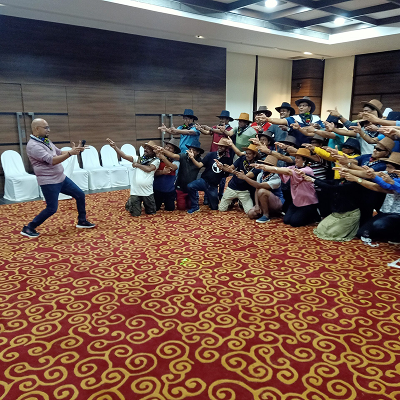
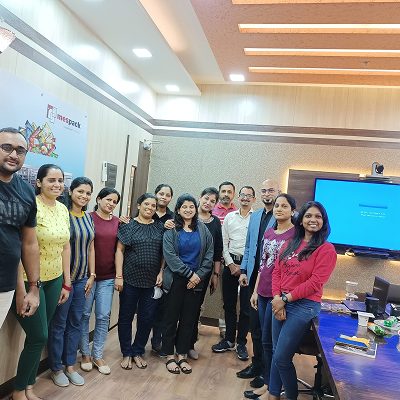
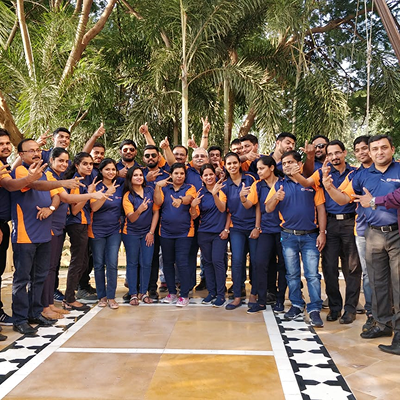
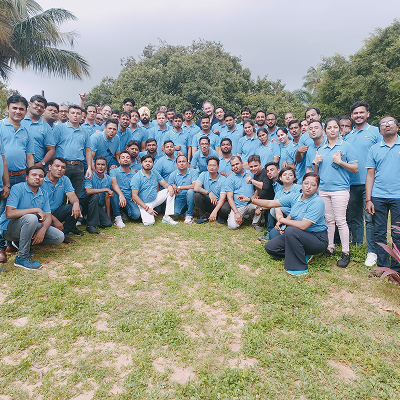
Learn how we turned a disengaged team into a group of innovative collaborators who achieved a 30% productivity increase in six months. Discover more inspiring stories.

Frequently Asked Questions
1. What are Team Building Activities in corporate training?
Team Building Activities are structured exercises designed to improve collaboration, communication, and trust among employees. They help teams work together more effectively while strengthening workplace relationships.
2. Why are team development programs important for organizations?
These programs help employees build stronger connections, improve communication, and align with shared organizational goals. As teamwork improves, productivity and engagement often increase.
3. How do team exercises improve workplace communication?
Interactive activities encourage employees to practice active listening, clear expression of ideas, and constructive feedback. This helps reduce misunderstandings and strengthens collaboration.
4. Who should participate in team development programs?
Employees at all levels can benefit, including team members, managers, and senior leaders. Cross-department participation often strengthens collaboration across the organization.
5. What types of activities are commonly used in team training programs?
Programs often include collaborative problem-solving exercises, communication-focused tasks, trust-building challenges, and experiential learning activities designed to strengthen teamwork.
6. How do team exercises help build trust among employees?
Trust-building activities encourage openness, support, and mutual respect among team members. These experiences help employees feel more comfortable sharing ideas and working together.
7. Can team programs help improve leadership skills?
Yes, group challenges often encourage participants to take initiative, guide discussions, and make decisions. These experiences help employees develop leadership confidence.
8. How do these programs support workplace culture?
Team development sessions promote open communication, shared accountability, and stronger relationships among colleagues. Over time, these improvements contribute to a more collaborative workplace culture.
9. Do team training sessions encourage innovation?
Yes, collaborative exercises allow employees to share ideas and approach challenges creatively. This environment often leads to fresh perspectives and improved problem-solving.
10. How often should organizations conduct team development sessions?
Many organizations schedule them annually or during key organizational changes. Regular sessions help reinforce teamwork and maintain strong workplace relationships.