

Team Building for Corporate Companies That Inspire Collaboration and Leadership
Organizations succeed when people collaborate with trust, clarity, and shared goals. Team Building for corporate companies strengthens communication, builds relationships, and aligns teams toward common objectives. Gaston D’Souza Inc. recognizes the importance of communication skills in creating cohesive, motivated teams that collaborate effectively and contribute to a productive, positive workplace culture.
Trusted By Leading Brands






Why Team Building Matters in Today’s Corporate Environment
The modern corporate landscape is constantly evolving. Companies face increasing pressure to innovate, adapt quickly, and maintain productivity in highly competitive markets.
However, even the most talented workforce cannot perform at its best without strong collaboration. When teams lack alignment, common challenges may arise, including:
- Miscommunication between departments
- Reduced employee engagement
- Conflicts that affect productivity
- Limited collaboration across roles
- Lack of trust among team members
Effective Team Building for corporate companies addresses these challenges by strengthening interpersonal relationships and improving how employees interact with one another.
When individuals understand each other’s strengths, working styles, and perspectives, they become more capable of solving problems together and supporting shared objectives.
Discover Gaston Dsouza’s Methodology
Gaston D’Souza’s methodology focuses on practical transformation that helps teams apply learning directly to workplace situations. Each program is designed to create meaningful behavioral change while aligning individual strengths with organizational goals.
Through structured exercises, discussions, and interactive sessions, participants develop a deeper understanding of collaboration and shared accountability.
Key elements of the approach include:
- Customized Workshops
Tailored sessions that address the specific goals, culture, and challenges within each organization. - Expert Facilitation
Led by experienced trainers who guide teams through engaging discussions and collaborative activities. - Empathy-Based Modules
Activities that help individuals understand different perspectives and build stronger workplace relationships. - Outcome-Driven Activities
Practical exercises focused on improving communication, teamwork, and real-world performance.
Together, these elements create teams that communicate effectively, support one another, and work toward shared organizational success.
How Team Development Strengthens Workplace Culture
Workplace culture is shaped by how employees communicate, collaborate, and support one another. When teams work in silos or face internal conflicts, productivity and morale can decline. Investing in team development helps organizations build a culture based on respect, cooperation, and accountability.
Improved Communication
Encourages employees to share ideas clearly, provide feedback, and collaborate on solutions.
Stronger Trust Among Colleagues
Trust strengthens teamwork, allowing employees to support one another and contribute confidently.
Greater Employee Engagement
Employees who feel connected to their teams are more motivated and committed.
Positive Work Environment
A collaborative workplace fosters mutual respect, stronger morale, and improved productivity.
These cultural improvements lead to higher productivity, stronger morale, and greater organizational stability.
Developing Collaboration Across Departments
Many organizations face challenges when departments work independently without clear coordination. When teams operate in isolation, communication gaps and misunderstandings can affect productivity. Structured development programs encourage employees from different departments to collaborate more effectively.
Key advantages include:
- Better Cross-Department Communication
Teams understand each other’s roles and responsibilities. - Shared Organizational Goals
Departments align their efforts toward common objectives. - Improved Workflow Efficiency
Clear collaboration reduces delays and confusion. - Stronger Professional Relationships
Employees build trust beyond their immediate teams. - Enhanced Problem Solving
Diverse perspectives lead to more effective solutions.
Stronger collaboration across departments helps organizations operate more efficiently while fostering unity, trust, and shared progress toward common goals.
The Role of Communication in Effective Teams
Communication is the foundation of any successful team. It influences decision-making, collaboration, and the overall efficiency of workplace interactions.
Gaston D’Souza Inc. recognizes the importance of communication skills in helping professionals articulate ideas clearly, listen actively, and respond thoughtfully to colleagues.
When communication improves, teams benefit in several ways:
- Projects progress more efficiently
- Misunderstandings are reduced
- Decision-making becomes more collaborative
- Employees feel more confident sharing ideas
- Leadership becomes more approachable
Through targeted training exercises and group discussions, employees develop the communication skills necessary to build stronger professional relationships.
These skills not only improve teamwork but also enhance leadership capabilities across the organization.
Key Elements of Effective Team Building Programs
Successful team development requires more than casual activities. It must address the real dynamics that influence workplace performance.
Effective Team Building for corporate companies programs incorporate several important elements that create meaningful change.
Interactive Learning
Participants engage in exercises that encourage collaboration, problem-solving, and open dialogue. These experiences help individuals understand the value of teamwork through direct participation.
Real-World Scenarios
Activities often reflect real workplace situations, allowing employees to practice skills such as negotiation, leadership, and decision-making in a safe environment.
Reflection and Discussion
Group discussions encourage participants to analyze their experiences and identify ways to apply lessons in their daily work.
Leadership Development
Team building also supports emerging leaders by helping them develop confidence, communication skills, and the ability to guide teams effectively.
Inclusive Participation
Every team member plays a role in organizational success. Programs are designed to ensure that all participants contribute and feel valued.
These elements ensure that team development programs lead to practical improvements rather than temporary motivation.
Activities That Encourage Collaboration and Problem-Solving
Team building workshops often include structured activities that encourage employees to collaborate, communicate, and think creatively.
Some commonly used formats include:
Group Problem-Solving Challenges
Participants work together to analyze a challenge and identify solutions. This process encourages teamwork, critical thinking, and communication.
Role-Based Simulations
Simulated workplace scenarios allow participants to explore different roles within a team and understand how various perspectives influence decisions.
Communication Exercises
Activities that highlight the importance of listening, clarity, and feedback help teams improve how they interact in professional settings.
Strategic Planning Tasks
Teams collaborate on tasks that require coordination, planning, and shared leadership.
Reflection Sessions
After each activity, participants reflect on their experiences and discuss how lessons learned can improve workplace collaboration.
These activities make learning engaging while reinforcing practical skills that enhance teamwork.
Encouraging Accountability and Shared Responsibility
Successful teams operate with a strong sense of accountability. When individuals understand how their contributions influence team outcomes, they become more committed to delivering results. Development programs help employees recognize the value of responsibility and cooperation within a team environment.
Important outcomes include:
- Clear Role Understanding
Employees know how their responsibilities support team success. - Shared Ownership of Results
Teams work together to achieve goals. - Greater Professional Discipline
Accountability improves consistency and reliability. - Supportive Team Dynamics
Members help one another overcome challenges. - Improved Project Outcomes
Teams maintain focus on achieving meaningful results.
Strong collaboration and mutual respect empower organizations to build resilient teams capable of achieving lasting success.
Building Leadership Within Teams
Effective teams often include individuals who naturally guide others, provide support, and encourage collaboration.
Leadership development is an important component of Team Building for corporate companies because strong teams require leaders at multiple levels of the organization.
Team building workshops help participants develop leadership qualities such as:
- Confidence in decision-making
- Ability to motivate others
- Emotional intelligence
- Conflict resolution skills
- Strategic thinking
When employees develop these capabilities, organizations benefit from stronger internal leadership and improved team performance.
Leadership within teams also helps organizations adapt quickly to new challenges and opportunities.
Overcoming Workplace Challenges Through Team Development
Every organization faces challenges related to communication, productivity, or interpersonal relationships. These challenges often arise from differences in working styles, expectations, or communication methods.
Structured team development programs help organizations address these challenges by creating a space where employees can:
- Discuss concerns openly
- Understand different perspectives
- Develop collaborative solutions
- Strengthen trust and accountability
When teams learn how to resolve conflicts constructively, they become more resilient and adaptable.
Organizations that invest in Team Building for corporate companies often see improvements in collaboration, morale, and overall performance.
Long-Term Benefits for Organizations
The impact of team development extends far beyond individual workshops. When organizations prioritize collaboration and communication, they create a foundation for sustained growth.
Some of the long-term benefits include:
Higher Productivity
Teams that communicate effectively complete tasks more efficiently and achieve goals more consistently.
Stronger Employee Retention
Employees are more likely to remain with organizations where they feel connected and supported by their colleagues.
Improved Innovation
Collaborative environments encourage employees to share ideas and contribute creative solutions.
Enhanced Leadership Pipeline
Team building programs often reveal individuals with leadership potential who can guide future organizational growth.
Greater Organizational Alignment
Employees who understand the organization’s goals and values are more motivated to contribute to its success.
These benefits highlight why many organizations view team development as a strategic investment rather than a one-time activity.
Creating a Stronger Future Through Teamwork
Organizations grow stronger when teams collaborate with trust, respect, and a shared vision. Effective teamwork allows employees to overcome challenges, support innovation, and contribute to long-term organizational success. Through structured learning experiences, teams develop stronger relationships and improved communication.
Key outcomes of strong teamwork include:
- Clear Communication
Employees share ideas openly and collaborate more effectively. - Stronger Collaboration
Teams support each other’s strengths to achieve common goals. - Improved Workplace Relationships
Employees build trust and mutual respect. - Higher Motivation and Engagement
Team members feel more connected to their work and colleagues. - Sustainable Organizational Growth
Strong teams help organizations maintain productivity and achieve long-term success.
When teams grow stronger, organizations gain the momentum needed to achieve long-term success.
Hear From Our Valued Clients
Success Stories That Inspire Confidence
Real Results, Real Stories
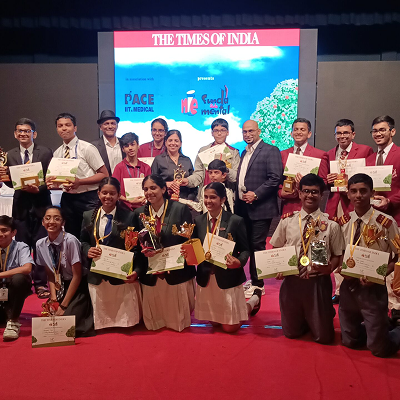
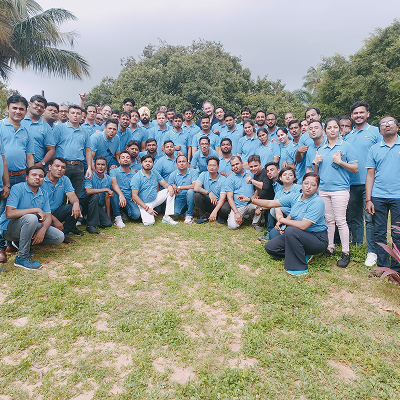
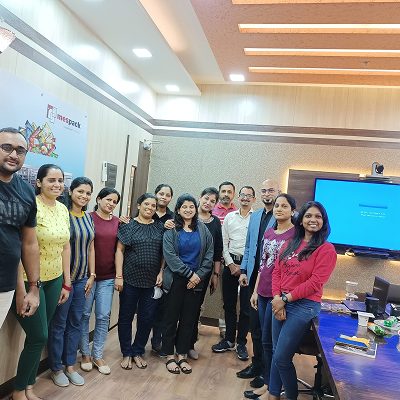
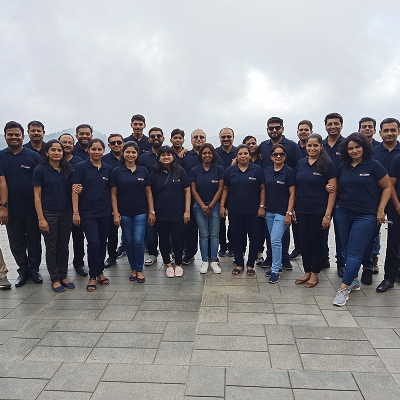
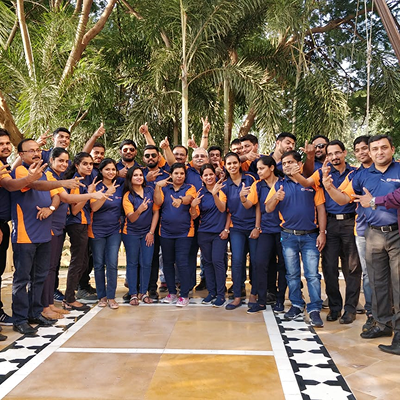
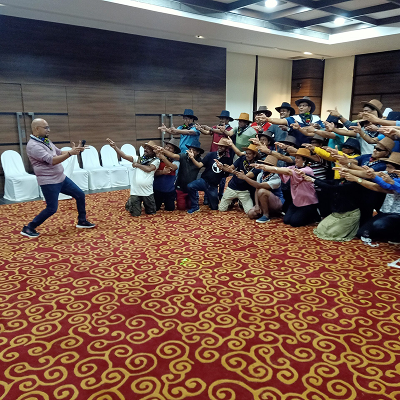
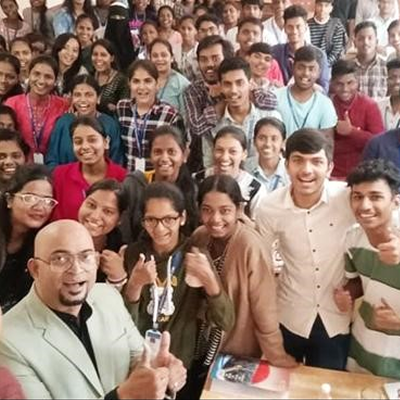
Reveal transformative impacts with a focus on measurable outcomes in team cooperation and morale.

Frequently Asked Questions
1. What is team building in corporate organizations?
Team building for corporate companies refers to structured activities and training programs designed to improve communication, collaboration, and trust among employees. These initiatives help teams work more effectively toward shared organizational goals.
2. Why is team building important for corporate companies?
Team building helps employees communicate better, resolve conflicts, and collaborate more efficiently. It also strengthens workplace relationships, leading to higher productivity, stronger morale, and improved team performance.
3. How do team building programs improve workplace culture?
These programs encourage open communication, mutual respect, and trust among employees. As teams understand each other’s strengths and perspectives, they create a more supportive and collaborative work environment.
4. What activities are commonly included in Team building workshops?
Workshops may include group problem-solving challenges, role-based simulations, communication exercises, and strategic planning tasks. These activities help participants practice teamwork and leadership skills in real-world scenarios.
5. How does team development help improve communication at work?
Team development programs focus on listening skills, clarity in communication, and constructive feedback. This helps employees share ideas confidently, reduce misunderstandings, and collaborate more effectively.
6. Can team building programs help develop leadership skills?
Yes, team building often encourages individuals to take initiative, guide discussions, and support colleagues. This process helps participants develop confidence, decision-making abilities, and leadership qualities within their teams.
7. How often should organizations conduct team building programs?
Organizations can conduct team building programs periodically, such as quarterly or annually, depending on team needs and company goals. Regular sessions help reinforce communication, strengthen relationships, and maintain strong collaboration among employees.
8. Who should participate in team building programs within a company?
Team building programs are beneficial for employees at all levels, including team members, managers, and leadership teams. When everyone participates, it encourages stronger collaboration and alignment across departments.
9. What benefits can organizations expect from effective team building programs?
Organizations can experience improved communication, stronger teamwork, higher employee engagement, and better problem-solving abilities. These benefits contribute to increased productivity and a more positive workplace environment.
10. How do Team building workshops support organizational growth?
Team building workshops help employees develop collaboration, leadership, and communication skills. When teams work more effectively together, organizations are better positioned to achieve their goals and sustain long-term growth.