
Professional Leadership team building Activities for Organizational Success
Strong leadership teams shape the culture, direction, and performance of every organization. When leaders collaborate effectively, communicate clearly, and trust each other’s strengths, teams perform with greater alignment and confidence. Leadership team building activities designed by Gaston D’Souza help organizations strengthen leadership collaboration, improve decision-making, and build resilient, high-performing teams.
Trusted by Industry Leaders Globally








Why Leadership Alignment Matters in Modern Organizations
The Impact of Collaborative Leadership
Modern organizations operate in fast-changing environments where leaders must coordinate decisions and guide teams effectively. Leadership success rarely depends on one individual; it emerges when leaders collaborate with clarity and shared purpose. Leadership team building helps leaders strengthen alignment, improve communication, and work together more effectively.
Common leadership challenges include:
- Misaligned priorities across departments
- Communication gaps between leadership levels
- Difficulty managing conflicts within leadership teams
- Slow decision-making due to lack of consensus
- Limited trust and collaboration among leaders
Structured learning experiences help leaders understand their working styles and build stronger collaborative leadership.
How Leadership team building Transform Team Dynamics
Leadership growth becomes more effective when leaders collaborate rather than operate independently. Leadership team building creates opportunities for leaders to step away from daily responsibilities and strengthen how they work together. These experiences help leadership teams align their goals, improve communication, and develop stronger decision-making approaches.
These activities help leaders:
- Build trust and stronger professional relationships
- Improve collaboration across departments
- Clarify leadership roles and shared responsibilities
- Strengthen strategic decision-making
- Develop clearer and more effective communication
Gaston D’Souza Inc. recognizes the importance of communication skills in building cohesive leadership teams and supporting stronger organizational performance.
Customization
Every organization has unique leadership challenges. Activities are carefully designed to align with the company’s goals, leadership structure, and team dynamics.
Interactive Learning
Leaders learn most effectively through experience. Sessions involve dynamic exercises, group discussions, and collaborative problem-solving activities.
Real-World Application
Participants develop practical leadership tools that can be applied immediately in workplace situations.
Sustained Growth
The focus extends beyond the workshop environment, ensuring that leadership improvements continue long after the training concludes.
The Gaston D’Souza Approach to Leadership Development
A Practical and Results-Driven Framework
Leadership training should go beyond theory. For leaders to apply new skills effectively, training must be practical, engaging, and aligned with real organizational challenges.
Gaston D’Souza designs Leadership team building activities using a structured framework that combines experiential learning, reflective discussions, and actionable strategies.
This approach focuses on four core pillars:
Customization
Every organization has unique leadership challenges. Activities are carefully designed to align with the company’s goals, leadership structure, and team dynamics.
Interactive Learning
Leaders learn most effectively through experience. Sessions involve dynamic exercises, group discussions, and collaborative problem-solving activities.
Real-World Application
Participants develop practical leadership tools that can be applied immediately in workplace situations.
Sustained Growth
The focus extends beyond the workshop environment, ensuring that leadership improvements continue long after the training concludes.
This balanced approach ensures that leadership teams leave the experience with stronger alignment and practical insights.
Key Outcomes Organizations Experience
Strengthening Leadership Collaboration
Organizations that invest in leadership collaboration often experience noticeable improvements in workplace performance and team morale.
Leadership team building help leaders move beyond individual priorities and focus on collective goals.
Key outcomes include:
- Improved strategic alignment among leadership teams
- Greater clarity in decision-making processes
- Stronger collaboration between departments
- Increased accountability among leadership members
- More effective problem-solving approaches
When leaders communicate clearly and support one another’s strengths, teams across the organization benefit from stronger direction and guidance.
Core Skills Developed Through Leadership Workshops
Essential Capabilities for Effective Leaders
Leadership development programs focus on building critical capabilities that strengthen both individual leaders and leadership teams.
Leadership team building help participants develop several essential leadership skills.
Communication skills
Clear communication allows leaders to share ideas, resolve conflicts, and guide teams effectively.
Strategic Thinking
Leaders learn to approach challenges with broader perspectives and align decisions with organizational goals.
Emotional intelligence
Understanding emotions and interpersonal dynamics helps leaders build stronger relationships with colleagues and employees.
Conflict Resolution
Leadership teams inevitably encounter disagreements. Effective conflict management ensures that these challenges lead to productive outcomes rather than division.
Collaborative Decision-Making
Leaders learn structured approaches to decision-making that involve diverse perspectives while maintaining efficiency.
These skills strengthen leadership teams and improve overall organizational performance.
Types of Leadership team building Used
Engaging Exercises that Build Leadership Capability
Well-designed leadership workshops combine learning with interactive activities that challenge leaders to collaborate and think strategically.
Leadership team building may include a variety of structured experiences that encourage participation and reflection.
Some commonly used formats include:
Problem-Solving Challenges
Teams work together to solve complex scenarios that require strategic thinking and collaboration.
Leadership Simulations
Participants navigate simulated workplace situations that mirror real leadership challenges.
Communication Exercises
Activities designed to highlight the importance of clarity, listening skills, and effective feedback.
Decision-Making Scenarios
Leaders practice making decisions under pressure while balancing multiple perspectives.
Trust-Building Activities
Exercises that strengthen relationships and encourage openness within leadership teams.
These experiences provide practical insights that leaders can apply immediately within their organizations.
Why Organizations Invest in Leadership Development Programs
Building a Culture of Strong Leadership
Organizations that prioritize leadership development often experience stronger employee engagement, improved productivity, and clearer strategic direction.
Leadership team building help organizations create a culture where leaders collaborate effectively and guide their teams with confidence.
Companies invest in leadership development for several reasons:
- To strengthen management alignment across departments
- To improve leadership communication and collaboration
- To support organizational growth and transformation
- To prepare emerging leaders for future responsibilities
- To build resilient leadership teams capable of managing change
Leadership training is not just about skill development; it also shapes how leaders think, communicate, and inspire others.
Benefits for Organizations and Leadership Teams
Long-Term Value Beyond the Workshop
Leadership development programs deliver value that extends far beyond the training environment.
Leadership team building contribute to lasting organizational improvements by strengthening leadership culture and collaboration.
Organizations often experience:
Improved Organizational Alignment
Leaders gain a clearer understanding of shared goals and strategies.
Stronger Workplace Communication
Leadership teams learn how to communicate expectations and feedback more effectively.
Enhanced Team Morale
Employees feel more confident when leadership teams demonstrate unity and clarity.
Better Decision-Making
Collaborative leadership approaches lead to more thoughtful and balanced decisions.
Increased Adaptability
Leadership teams become better equipped to manage organizational changes and challenges.
These outcomes support long-term growth and stability.
How Leadership Development Supports Organizational Growth
Preparing Leaders for Future Challenges
Organizations operate in environments that demand adaptability, innovation, and strong leadership.
Leadership development programs prepare leaders to manage complex challenges while guiding their teams with clarity and confidence.
Leadership team building help leaders develop a shared mindset focused on growth, collaboration, and continuous improvement.
Leaders gain insights into:
- Managing diverse teams effectively
- Encouraging innovation and creative thinking
- Building stronger relationships across departments
- Navigating organizational change
- Creating a culture of accountability and trust
When leadership teams grow together, organizations become more agile and resilient.
Why Choose Gaston D’Souza for Leadership Training
Expertise in Leadership and Organizational Development
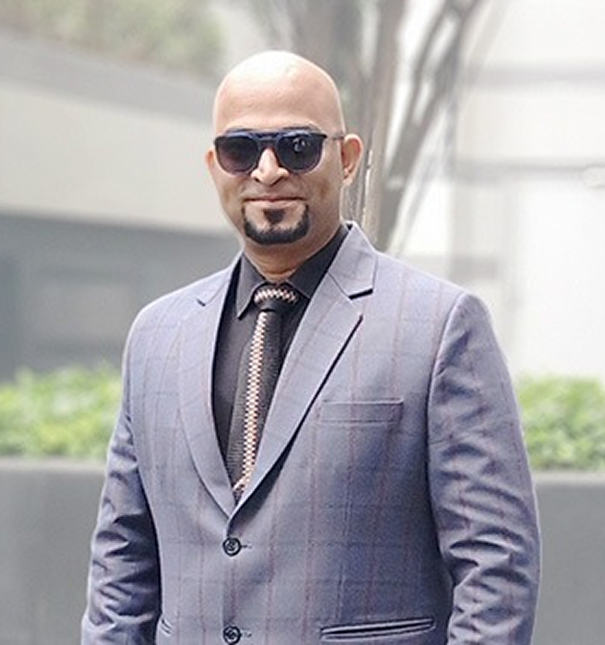
Gaston D’Souza is a respected corporate trainer and motivational speaker who specializes in leadership development and professional growth.
His programs are designed to address real workplace challenges while providing leaders with practical strategies for improvement.
Organizations choose Gaston D’Souza for leadership training because of his:
- Practical, experience-driven approach
- Engaging and interactive training methods
- Focus on real-world leadership challenges
- Ability to connect with diverse audiences
- Commitment to delivering meaningful results
Each program is carefully designed to ensure leaders leave with actionable insights and stronger collaboration skills.
Creating Sustainable Leadership Success
The Long-Term Impact of Leadership Development
Leadership development is not a one-time initiative. Organizations that consistently invest in their leaders build stronger cultures, improve employee engagement, and achieve sustainable growth.
Leadership team building support long-term leadership development by encouraging reflection, collaboration, and continuous learning.
Over time, organizations begin to see:
- Stronger leadership alignment
- Improved communication across departments
- More confident and capable leaders
- Better workplace relationships
- Greater organizational resilience
When leaders grow together, they create a positive ripple effect throughout the entire organization.
Begin Your Leadership Development Journey
Strong leadership teams create stronger organizations. By investing in leadership development, companies empower their leaders to collaborate effectively, communicate clearly, and guide teams toward shared success.
Leadership team building activities designed by Gaston D’Souza provide organizations with a structured pathway to strengthen leadership collaboration and performance.
Organizations seeking to improve leadership alignment, team collaboration, and strategic thinking can benefit from a customized leadership development program designed to meet their unique goals.
Our Clients Share Their Success Stories
Success Stories That Inspire Confidence
See How Our Initiatives Transformed Teams
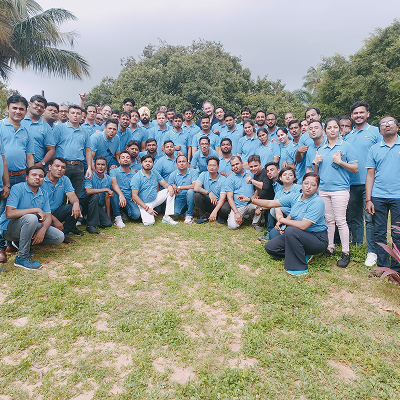
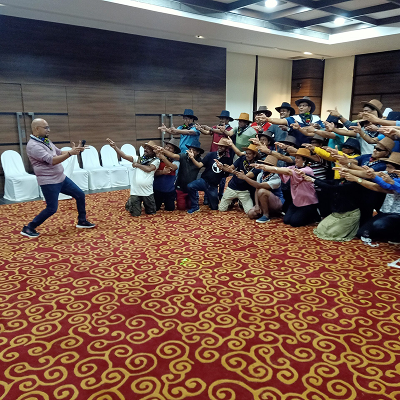
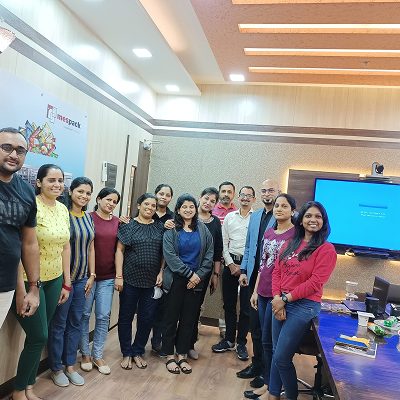
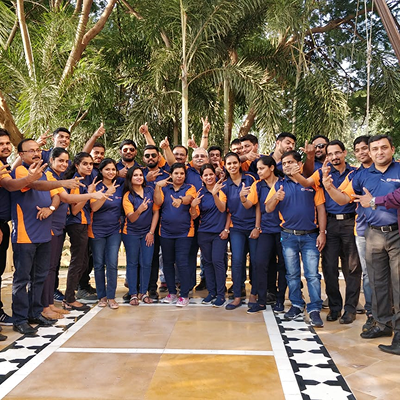
Our Leadership Team Building Activities have consistently resulted in enhanced team productivity and increased staff morale. Discover more detailed case studies and metrics of success by clicking below.


Frequently Asked Questions
1. What are Leadership team building?
Leadership team building are structured programs designed to strengthen collaboration, communication, and trust among leaders. These activities help leadership teams work more effectively together while improving decision-making and strategic alignment.
2. Why are Leadership team building activities important for organizations?
They help leaders align their goals, improve communication, and build stronger working relationships. This alignment enables leadership teams to guide employees more effectively and achieve organizational objectives with greater clarity.
3. Who should participate in Leadership team building?
These activities are ideal for senior leaders, managers, department heads, and emerging leaders. Any organization aiming to strengthen collaboration among decision-makers can benefit from such programs.
4. How do Leadership team building improve communication?
They include interactive exercises and discussions that highlight the importance of listening, feedback, and clear messaging. Leaders learn practical techniques to communicate more effectively within their teams.
5. What skills can leaders develop through Leadership team building?
Participants develop essential leadership skills such as strategic thinking, conflict resolution, emotional intelligence, and collaborative decision-making.
6. How do these activities help with conflict resolution among leaders?
Structured exercises encourage leaders to address disagreements constructively. They learn strategies to manage conflicts professionally while maintaining strong working relationships.
7. Are Leadership team building customizable for organizations?
Yes, programs can be tailored to match the organization’s leadership structure, goals, and specific challenges. Customization ensures the activities remain relevant and practical.
8. What outcomes can organizations expect from Leadership team building?
Organizations often experience improved leadership alignment, stronger teamwork among leaders, better communication, and more effective decision-making.
9. How long do leadership team building workshops typically last?
Workshops can vary depending on organizational needs, ranging from half-day sessions to multi-day programs. The format is designed to deliver practical learning and engagement.
10. How do Leadership team building support long-term organizational growth?
By strengthening collaboration and communication among leaders, these activities create a more unified leadership approach. This alignment supports stronger strategies, improved team morale, and sustainable organizational success.