

Office Team Building Activities to Improve Collaboration and Workplace Productivity
Modern workplaces depend on collaboration, trust, and effective communication. When employees work together with clarity and confidence, productivity improves and workplace culture becomes stronger. Office Team building activities designed by Gaston D’Souza help organizations strengthen relationships, improve communication skills, and build teams that collaborate with purpose and accountability.
Trusted by Leading Brands Across Industries






Why Office Team Building Activities Matter in Modern Workplaces
In today’s fast-paced business environment, employees often focus heavily on individual responsibilities, deadlines, and performance metrics.
Office Team building activities provide a structured way for employees to interact beyond their regular roles.
How Workplace Collaboration Improves Performance
Effective collaboration helps organizations operate more efficiently and reduces friction within teams.
Benefits include:
- Stronger workplace communication
- Increased trust between employees
- Improved problem-solving abilities
- Higher levels of employee engagement
- Greater alignment toward shared goals
When employees trust each other and communicate openly, they are more likely to contribute ideas and support team success.
Benefits of Office Team Building Activities for Organizations
Organizations that invest in Office Team building activities often see improvements in employee engagement, productivity, and collaboration. When employees interact outside routine work tasks, they develop stronger connections and a better understanding of each other’s strengths.
Key benefits include:
- Improved workplace communication
- Stronger collaboration between teams
- Increased employee motivation
- Greater trust among colleagues
- Better problem-solving abilities
- Higher engagement during projects
- Reduced workplace misunderstandings
These benefits help organizations build teams that work together efficiently while maintaining a positive and supportive professional environment.
The Gaston D’Souza Approach to Office Team Building Activities
Office Team building activities led by Gaston D’Souza focus on practical learning that improves collaboration and workplace communication. These experiences go beyond entertainment by helping employees develop skills they can apply directly in their daily roles.
Gaston D’Souza Inc. recognizes the importance of communication skills in building successful teams, which is why each activity is designed to strengthen relationships and encourage meaningful collaboration.
Key elements of this approach include:
- Activities aligned with organizational goals
- Real workplace scenario-based exercises
- Interactive group participation
- Reflection sessions that reinforce learning
- Strategies that support long-term teamwork
These activities help teams communicate more effectively and work together with greater clarity and confidence.
How Customized Activities Improve Team Outcomes
Every organization has unique challenges and team dynamics. A customized approach ensures that team building experiences address specific workplace needs rather than using generic activities.
Tailored programs may focus on:
- Improving cross-department collaboration
- Strengthening leadership within teams
- Enhancing communication skills
- Encouraging creative thinking
- Supporting conflict resolution strategies
- Building accountability among employees
When activities align with company objectives, employees are more likely to apply the lessons learned. This approach helps organizations create meaningful improvements in teamwork, communication, and workplace productivity.
Common Challenges Teams Face in the Workplace
Even highly skilled employees can struggle when communication and collaboration are not aligned. Many organizations face challenges that affect team performance and productivity.
Office Team building activities help address these challenges by encouraging open communication and shared understanding.
Workplace Challenges That Affect Team Performance
Many teams experience similar obstacles that limit their effectiveness.
Common issues include:
- Miscommunication between departments
- Lack of trust among team members
- Limited collaboration on projects
- Employees working in isolated silos
- Difficulty resolving workplace conflicts
When these challenges persist, productivity can decline and workplace morale may suffer.
Team building initiatives help teams recognize these challenges and develop strategies to overcome them.
Types of Office Team Building Activities
Different teams benefit from different approaches to collaboration and development. Office Team building activities can be designed to address communication gaps, leadership development, and workplace collaboration challenges. These activities help employees work together while building practical skills.
Common activities include:
- Problem-solving challenges such as group strategy tasks and innovation workshops
- Communication-focused exercises like active listening activities and workplace role-play scenarios
- Collaborative activities that encourage teamwork and idea sharing
- Trust-building exercises including partner challenges and group coordination tasks
- Reflection discussions that help teams understand lessons learned
These experiences encourage open communication, strengthen teamwork, and help employees make better decisions together.
Indoor Office Team Building Activities
Indoor activities are ideal for organizations that want engaging experiences within their workplace environment. These activities encourage employees to collaborate while maintaining a comfortable and familiar setting.
Examples include:
- Interactive team challenges and puzzles
- Creative brainstorming sessions
- Communication games and storytelling tasks
- Leadership role-play exercises
- Group planning and strategy simulations
- Knowledge sharing workshops
These activities are particularly useful for teams that want to strengthen collaboration without requiring extensive travel or outdoor arrangements.
Indoor experiences also allow employees to focus more on communication, creativity, and teamwork.
Building Leadership Through Team Activities
Leadership is not limited to management positions. Every team benefits when employees feel empowered to contribute ideas and take initiative.
Office Team building activities create opportunities for individuals to step into leadership roles during collaborative exercises.
How Team Activities Develop Leadership Skills
Participants often discover new strengths when they work in dynamic team environments.
Leadership skills developed through these activities include:
- Decision-making under pressure
- Encouraging team participation
- Managing group dynamics
- Supporting collaborative solutions
- Communicating ideas clearly
These experiences help employees become more confident contributors within their teams.
Encouraging Creativity and Innovation
Creative thinking is an important driver of innovation within organizations. When employees feel comfortable sharing ideas, teams can develop more effective solutions to challenges.
Office Team building activities provide a safe environment where creativity is encouraged and new ideas can emerge.
How Collaborative Activities Spark Innovation
When teams work together in structured challenges, they often discover new ways to approach problems.
Benefits include:
- Encouraging creative thinking
- Breaking routine workplace patterns
- Generating fresh ideas through collaboration
- Improving adaptability to change
- Strengthening problem-solving skills
These activities help employees approach their work with a more open and innovative mindset.
Creating a Positive Workplace Culture
Workplace culture influences employee motivation, productivity, and retention. A positive environment encourages employees to feel valued and connected to their teams.
Office Team building activities contribute to a healthier workplace culture by encouraging collaboration and open communication.
Elements of a Strong Workplace Culture
Organizations with strong team dynamics often share common cultural qualities.
These include:
- Respectful communication between colleagues
- Shared commitment to team goals
- Supportive leadership and teamwork
- Open dialogue and feedback
- Recognition of employee contributions
When teams work together effectively, workplace culture becomes stronger and more resilient.
Encouraging Employee Engagement Through Team Activities
Employee engagement plays a crucial role in organizational success. When employees feel connected to their colleagues and workplace goals, they are more motivated to contribute effectively.
Team activities can improve engagement by:
- Encouraging open communication
- Allowing employees to share ideas freely
- Building stronger professional relationships
- Creating a sense of belonging within teams
- Recognizing individual strengths and contributions
- Supporting collaboration across departments
When employees feel engaged, they participate more actively in projects and contribute to a healthier workplace culture.
How Office Team Building Activities Strengthen Communication
Communication challenges are one of the most common reasons teams struggle to collaborate effectively. Even small misunderstandings can lead to delays, frustration, and reduced productivity.
Structured team activities help employees practice clear and respectful communication.
Communication Skills Developed Through Team Activities
Participants develop essential workplace communication skills such as:
- Active listening
- Constructive feedback
- Clear articulation of ideas
- Conflict resolution strategies
- Collaborative decision-making
These skills help teams interact more effectively during everyday work situations.
Designing Effective Team Building Experiences
Successful programs require thoughtful planning and a clear understanding of organizational goals. Activities must align with company culture and the specific needs of employees.
Office Team building activities led by Gaston D’Souza are designed with these factors in mind.
Key Elements of Successful Team Programs
Effective programs focus on meaningful engagement and practical learning outcomes.
Important elements include:
- Understanding organizational objectives
- Identifying team challenges
- Designing interactive activities
- Encouraging participation from all employees
- Providing reflection and discussion opportunities
This structured approach ensures that activities create real value for organizations.
Long-Term Impact of Team Building Programs
The true value of team development programs lies in the long-term benefits they create for organizations. When teams communicate effectively and support each other, workplace productivity and morale improve.
Office Team building activities can create lasting changes that extend far beyond the initial workshop.
Lasting Benefits for Organizations
Organizations often notice improvements in several key areas.
Long-term outcomes may include:
- Improved workplace communication
- Stronger collaboration between departments
- Increased employee engagement
- Higher levels of trust among teams
- Greater adaptability to organizational changes
These improvements contribute to a more resilient and productive workplace.
How Organizations Can Plan Successful Team Building Activities
Planning effective team experiences requires careful consideration of organizational goals and employee needs. Well-structured programs create meaningful learning experiences while keeping participants engaged.
Successful planning often includes:
- Identifying the purpose of the activity
- Understanding team challenges
- Selecting suitable group exercises
- Encouraging participation from all employees
- Providing time for reflection and discussion
- Measuring the impact on team performance
When organizations plan thoughtfully, team activities become powerful tools for improving collaboration, communication, and overall workplace productivity.
Partner with Gaston D’Souza for Meaningful Team Development
Strong teams do not develop by chance. They are built through intentional experiences that encourage communication, collaboration, and shared understanding.
Office Team building activities designed by Gaston D’Souza provide organizations with structured experiences that strengthen workplace relationships while developing practical skills for collaboration.
Through carefully designed activities, teams gain insights that help them work together more effectively and build a stronger workplace culture.
Hear From Our Partners
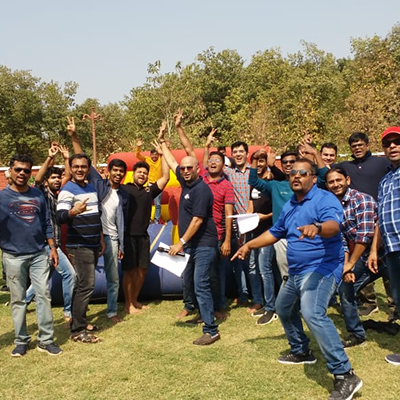
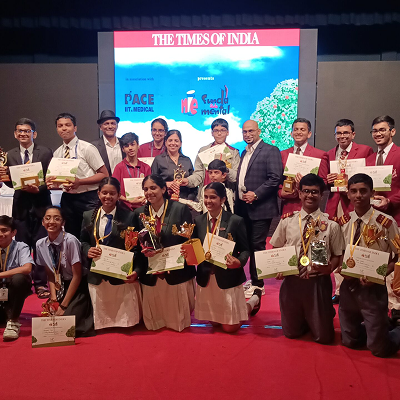
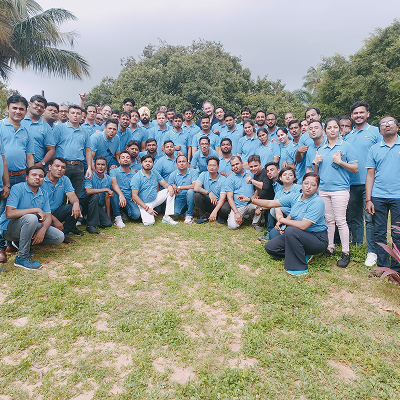
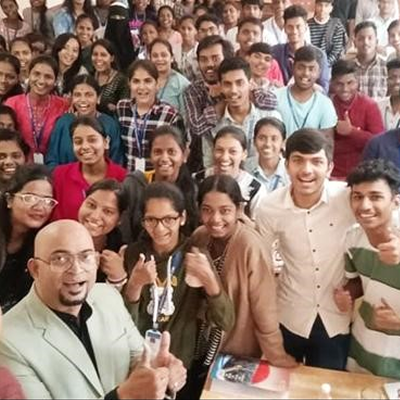
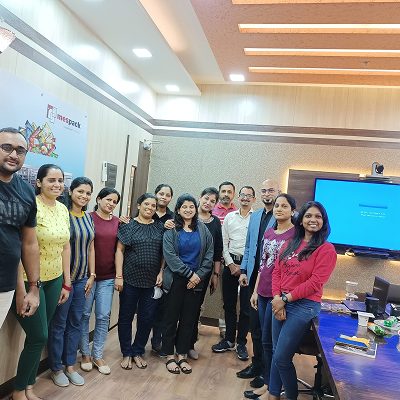
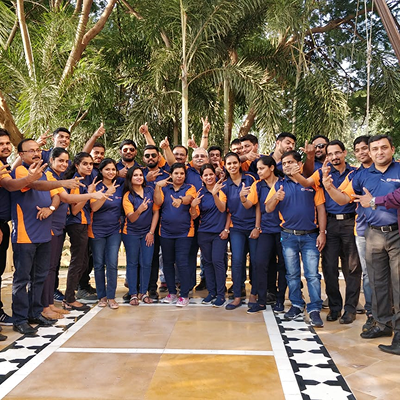
Proven Success Stories
See the incredible transformations our clients have experienced.
Unlock the power of effective team-building with solutions that have increased team productivity by 30% or more.


Frequently Asked Questions
1. What are office team building activities?
Office Team building activities are structured experiences that help employees improve communication, collaboration, and trust. These activities encourage teams to interact, solve problems together, and strengthen workplace relationships.
2. Why are office team building activities important for organizations?
They help employees develop stronger professional connections and improve teamwork. When teams communicate effectively, organizations often see better productivity, engagement, and workplace morale.
3. How do office team building activities improve communication?
Team activities encourage employees to practice active listening, share ideas openly, and collaborate on solutions. This helps reduce misunderstandings and strengthens everyday workplace communication.
4. What types of office team building activities are most effective?
Effective activities often include problem-solving challenges, communication exercises, and trust-building tasks. These experiences help employees work together while developing practical teamwork skills.
5. Can office team building activities improve employee engagement?
Yes. When employees feel connected to their colleagues and workplace goals, they become more motivated and engaged in their work. Team activities help create that sense of connection.
6. Are office team building activities suitable for all team sizes?
Yes, these activities can be adapted for small teams, large departments, or entire organizations. The activities are usually designed based on the team’s size, goals, and workplace dynamics.
7. How do team building activities support leadership development?
Team activities often allow participants to take initiative, guide discussions, and contribute ideas. This helps individuals develop leadership confidence and decision-making abilities.
8. What challenges can team building activities help solve in the workplace?
They can address issues such as communication gaps, lack of trust, limited collaboration, and team conflicts. Structured activities help teams identify and overcome these challenges.
9. How long do the benefits of team building activities last?
When activities focus on practical learning and reflection, the benefits can extend well beyond the session. Employees often apply the communication and collaboration skills in their daily work.
10. How can organizations plan effective office team building activities?
Successful planning involves understanding team challenges, defining clear goals, and selecting activities that encourage participation. Structured sessions help teams gain meaningful insights and improve workplace collaboration.